Now that spring has officially sprung, your lawn and garden are waking up. This is one of two times of year that’s best for planting. If planting a new tree is on your to-do list this season, here’s how to start.
Following proper watering and maintenance practices after fall fescue overseeding will help ensure your new lawn thrives. These tips and timelines will help your new lawn grow strong and healthy.
Between summer stress, preparing for winter, and other biological factors, your grass could be going through a natural loss of vibrancy or brown patch disease. Learn how to tell the difference and what to do in each situation.
Certain plants grow naturally across lawns and landscapes around Ohio. Some homeowners don’t mind them creeping through the garden and flowering for pollinators. However, if you don’t want these plants around, they’re known as weeds. The key to controlling weeds is proper identification. Here are some of the most common lawn weeds found in Ohio and how to get rid of them.
During spring, lawns are supposed to wake from winter dormancy and transition to a lush, green carpet. However, some grassy brown patches may remain while the rest of the yard is thriving. Discover why this could be happening to your grass and what to do about it.
Spring brings a lot of activity to your lawn. Both plants and pests are waking up from winter dormancy and leaving signs of their presence, like perforated soil. Determining the culprit makes it easier to decide what to do. Learn how to identify the cause of holes in your yard and what actions to take.
How much do you know about fertilizer? It may be understood that these plant vitamins are needed to help support healthy growth, but do you know which type of fertilizer you need, how much, and when to apply? The follow fertilizing basics will help answer some of these questions.
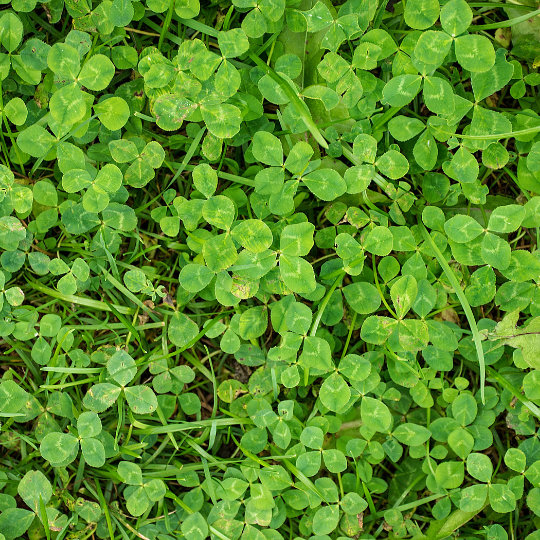
Those looking for a low-maintenance lawn are opting for alternatives to grass. Certain groundcover plants are a sustainable solution that requires less labor than traditional turf—if you can live without the consistent, manicured look. Learn what some of these groundcover options are and why it may be right for you.
The weather is warming and plants around your yard are beginning to bud and bloom. This natural reawakening is a wonderful time to consider what else you want to see in your yard after a dormant winter. Here are some spring planting tips to help make the most of the growing season.
Now that the weather is getting warmer, the grass is getting greener and the weeds are preparing to pop. While some seeds have been laying dormant over winter in your lawn and garden beds, there are ways to help stop weeds from germinating and taking over.
Snow mold is such a prevalent problem that there are two different types to be aware of. Learn how to spot the difference between gray and pink snow mold and how you can help protect and treat your grass.
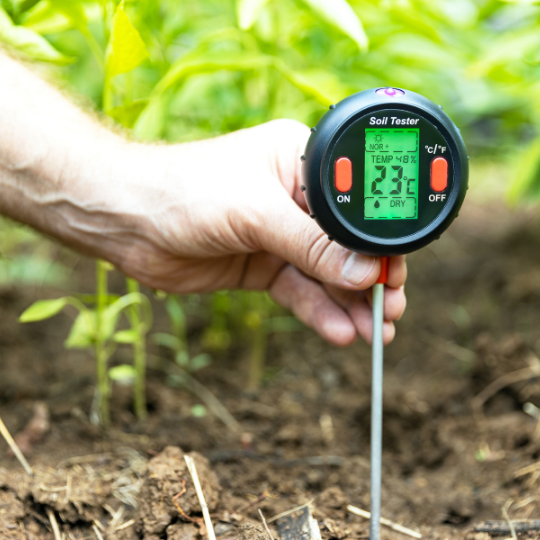
Have you ever tested your soil? If not, you may be missing out on important information that could help improve plant growth, protect the environment, and save you money.
It may be the middle of winter, but it’s never too early to start thinking about spring. In fact, late winter is the right time for pruning many trees and shrubs to prepare them for the growing season. Learn which plants should be trimmed, why winter is best, and how to prune properly.
Whether you have a small green square in your backyard or are sitting on acres of land, taking care of that grass is your responsibility. Here are some common residential lawn care tips to help maintain a vibrant postage stamp-sized yard or sprawling landscape.
There are some ways to act now to help prevent insects from feeding on your plants and laying eggs once they awake in spring. Dormant oil applications are formulated to help prevent the pests you don’t want while not effecting the ones you do. Learn more about how and when they’re applied.
There’s enough to do to maintain a small plot of land. Now multiple all of that by the size of a large commercial complex. It’s a big job. Learn more about commercial lawn care and why having help is a big deal.
Maybe fall flew by before you could apply preventative fungicides. Or maybe your area typically doesn’t get snow, but there are still ways to help prevent snow mold after the first snow fall.
Even healthy trees and shrubs can be prone to various conditions of harsh winter. Learn the benefits of tree wrapping and how it can help vulnerable plants make it through the season.
Winter weather can be harsh on many living things, even plants that should thrive outside. But there are ways you can help protect your trees and shrubs in winter so they can bounce back beautifully in spring.
Integrated Pest Management (IPM) is a multi-step process in helping to make sure you don’t have to deal with pests. And if you do, its methods help ensure they cause limited damage to you and your property.
The cold weather may kill off certain insects, but it also drives others deeper underground where they can still damage a dormant lawn. Learn which creatures are creating havoc and how treating winter lawn pests can help keep your lawn healthy.
Just because the grass isn’t actively growing doesn’t mean it’s not prone to problems. Here are tips to help keep your lawn healthy over the winter so it wakes up on the right side of spring.
While you may not see many insects outside this time of year, there’s still a chance you’ll see them inside. Unless you take action. Learn about the best time to employ perimeter pest control methods to create a barrier for bugs and rodents this winter
With the weather getting colder, all living things start to prepare for winter. Grass growth slows, trees go dormant, and some animals get ready to hibernate. But are lawn pests still a problem? Learn what some of the most common insects are up to this time of year.
Grass growth starts to slow again this time of year as it prepares to go dormant during the colder months. However, even if the grass isn’t growing, disease could be. There are ways to help prevent winter lawn disease, and the key is to focus on fall maintenance.
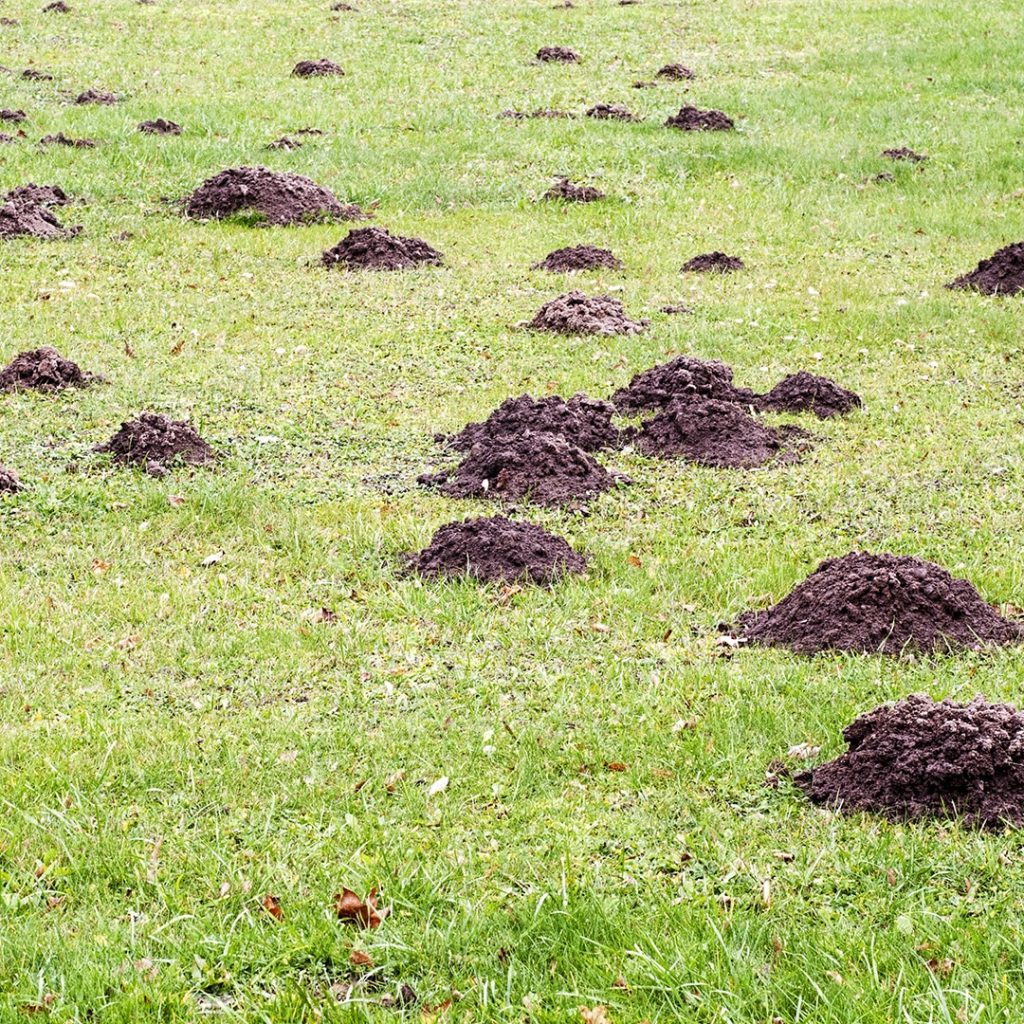
If you notice mounds of dirt or raised paths across your property, it may be moles. Learn about why they’re there and some fall mole control techniques to try.
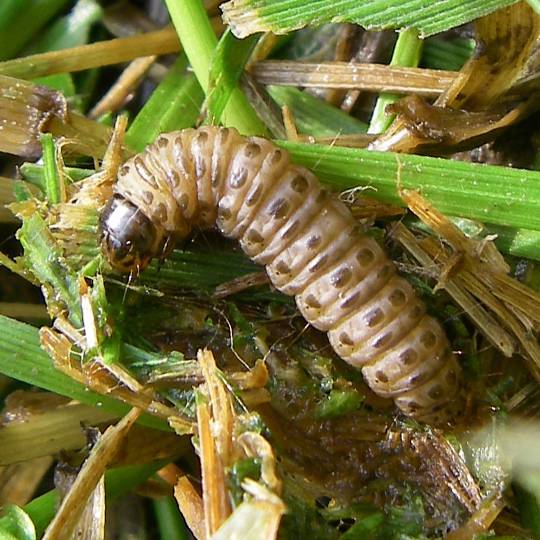
Sod webworms are one species that can cause significant damage to your lawn this time of year. Learn the signs of sod webworms and how to protect your yard.
Normally, fungus growing in your yard is not a good thing. However, lawn mushrooms are not all bad. Learn about the good, the bad, and the fungi, and what to do so the situation doesn’t get out of hand.
Now is the time to prepare your yard for the next harsh season. Here are some tips for mowing the lawn in the fall to help ensure it stays healthy for the next spring.
Fall is one of the best times to help control perennial weeds. Take these fall weed control tips into consideration as you enjoy the late blooms and cooler weather this season to help prevent weeds from overwintering and returning in the spring.
Fall brings the cooler temperatures and occasional rainfall that lawns love. This makes the season an ideal time for prepping your yard for the rest of the year and into spring. Follow these fall lawn maintenance tips to take advantage of the weather and promote healthy grass growth.
Your lawn should be bouncing back slightly from summer’s harsh heat. If there are still dead patches of grass around your yard, it could be a sign of a larger problem—like pests. Learn what common fall lawn pests could be killing your grass and what to do about it.
During these hot, dry days it may seem like weeds are the only plants that are thriving. Take it as a reminder that there are late summer weed control methods you can do now to help reinvigorate your lawn later.
Lawn looking a little parched? It’s no surprise after a hot, dry summer. If you’re thinking about reviving it, there are certain practices that help make the most of your time and utility usage. Here are some tips for properly watering your lawn.
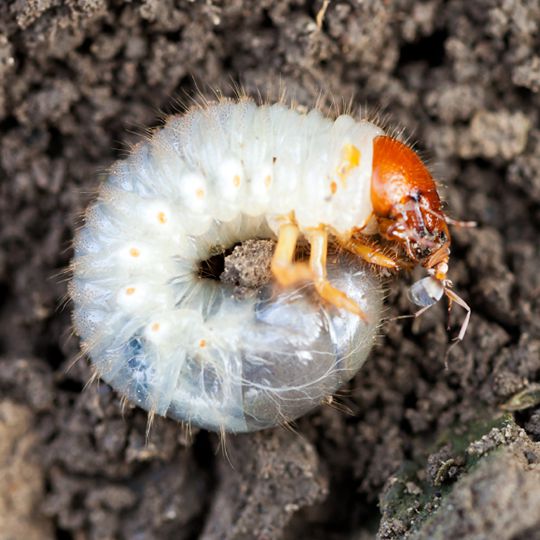
If you’ve seen Japanese beetles around your yard and eating your plants this summer, chances are they started as grubs in your lawn. Learn what attracts grubs to your yard and how to repel them to save your grass and garden from damage.
A summer evening is known for its sights and sounds, such as flickering lightening bugs and chirping crickets. However, these sweet lullabies are less attractive when they echo throughout your home. Here are some cricket pros and cons, plus ways to help control their population in and around your property.
If you think you’re feeling tired and thirsty after spending time outside, your grass is with you. However, since it doesn’t have the liberty of going inside for a break, it’s up to you to help revive it and help it thrive. Here are some summer lawn maintenance tips to do just that.
As summer heats up, you may be looking for a bit of a break from outdoor yard work. Well, so is your lawn. Good news is, it may not need as much mowing this season. But that doesn’t mean it should get ignored altogether. Use these summer lawn mowing tips to help you and your lawn get through the season unscathed.
If controlling weeds wasn’t hard enough, you have some invasive plants that disguise themselves as grass to disrupt your vibrant landscape. Learn how to identify and prevent these imposters and what grassy weed control options are best for your lawn.
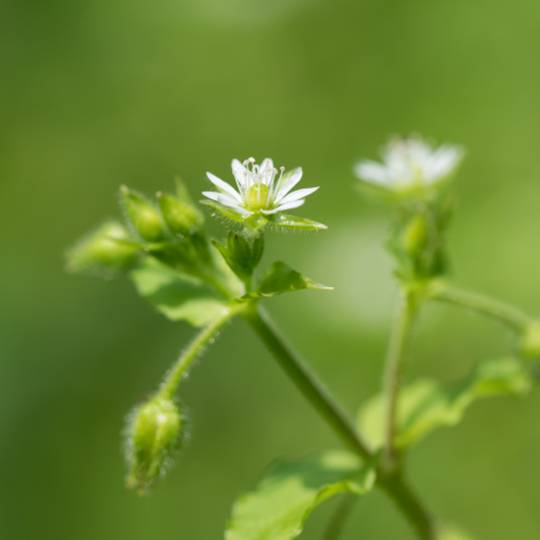
Left untreated, broadleaf weeds not only disrupt the aesthetics of your lawn but also compete with desired plants for nutrients, water, and light. Effective broadleaf weed control requires a combination of prevention, identification, and treatment for these specific types of plants.
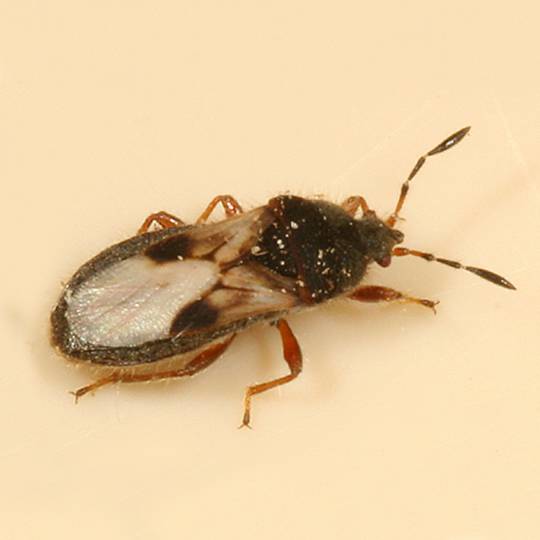
During the hot, dry summer, there are many reasons your lawn can turn brown. But for warm-season grasses, there's a common culprit - Chinch bugs. These tiny insects can cause big problems for your lush lawn. Professional chinch bug control helps keep your grass strong this season.
The changing seasons can trigger wild fluctuations in temperature. A cold night could transition into a warm day, taking a toll on your wardrobe choices—as well as your lawn. Learn about what conditions lead to lawn disease like dollar spot, how to spot it in your lawn, and what to do if you find it.
You may come across some forms of woody weeds in your lawn or garden. Not only are these invasive weeds but some are poisonous and can cause an itchy reaction. Learn about woody weed control options tailored to the specific species and help protect your yard and family from any negative effects.
Are you still seeing large infestations of the spotted lanternfly? While sightings may have dwindled due to various treatment options, you may still see signs of this invasive pest. Learn more about spotted lanternfly treatment options to help protect your plants and the overall ecosystem.
You may have heard of cash crops that farmers grow for sale. But have you ever considered cover crop benefits? Like anything plant-related, what and when you plant can make or break the benefits.
Getting rid of weeds may seem like an ongoing process, especially if you don’t treat them early in the season. However, there are easy natural weed control methods you can try and still get the desired results.
If you’ve noticed your neighbors aren’t getting their mower out that much this month, they may be following an initiative known as No Mow May. Homeowners leave the lawn alone all month to help provide a habitat and food source for early season pollinators. Is it something you should try?
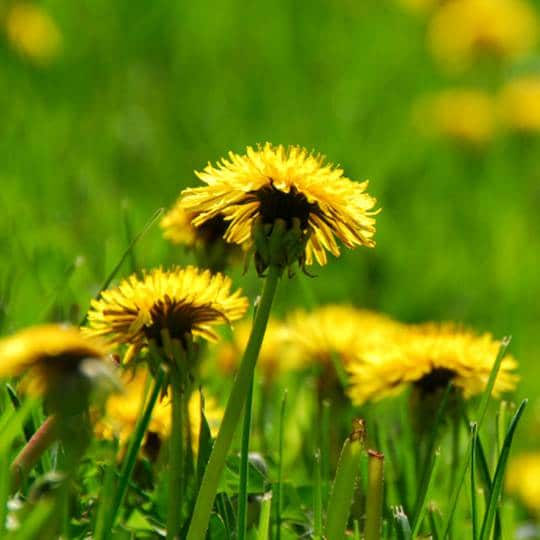
One of the first signs of spring are the familiar vibrant yellow dandelion weeds dotting lawns. There’s much debate on whether these plants are good or bad for gardens.
Now that spring is in full swing, plants, grass, and weeds are growing. While you want the first two to thrive, weeds leave something to be desired. Here are some post-emergent weed control options to consider.
Spending time enjoying the outdoors is even easier with a healthy, lush lawn. Here are some ways you can show your yard a little more love and appreciation this year. Mark the occasion with some of these Earth Day lawn disease prevention tips.
Spring is a time for budding trees, green grass, and emerging weeds. Help protect your lawn and other desired plants from these needy weeds that compete for nutrients, water, and sunlight. Here are some effective spring weed control tips.
Overseeding is the process of spreading grass seed over an existing lawn. This helps improve grass density, fill in bare or thinning patches, and enhance the overall appearance of the lawn. Overseeding helps rejuvenate the grass without the need for major renovation or relaying turf.
Sometimes sneaky weeds like to trick you into thinking it’s grass. This way it can go on thriving and spreading in your lawn. Don’t let it. Crabgrass is one of these weeds. It even has grass in its name to trick you. Here’s how to find it, get rid of it, and help make sure it doesn’t return.